How to palletize freight so it arrives intact
An LTL pallet is handled again and again. How to build one that survives the trip, and keeps a claim payable if it does not.
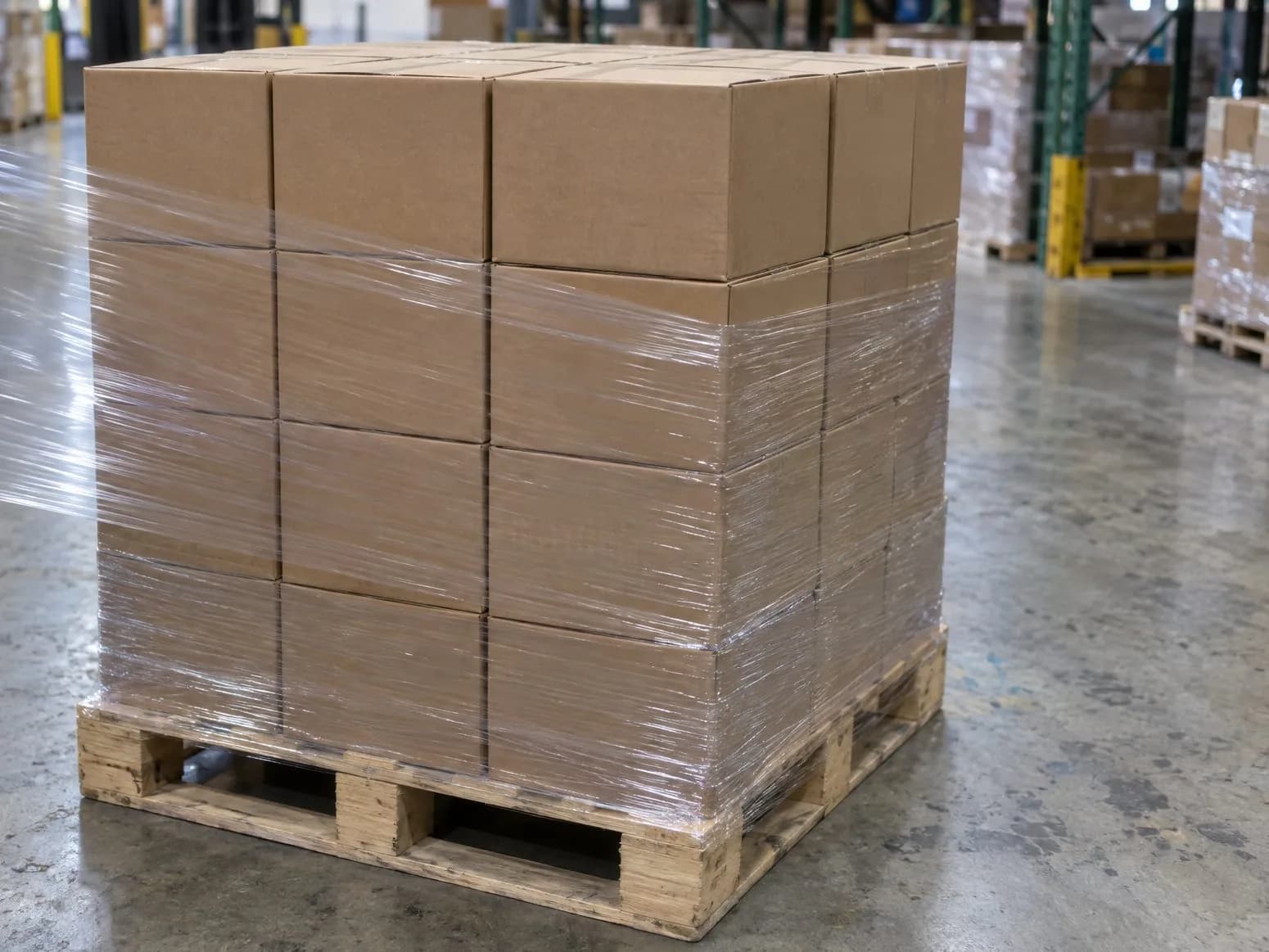
Your pallet gets handled more than you think
A truckload shipment is loaded once and unloaded once. An LTL pallet is moved by forklift at pickup, at one or more terminals along the way, and at delivery, and it shares the trailer with other freight that may be stacked on top of it. Packing for that is the single best way to avoid damage, and it matters after the fact too: packaging is one of the most common reasons carriers deny damage claims.
Start with the right pallet
- Use a sturdy wooden pallet. The NMFTA, which publishes the LTL classification rules, recommends wooden pallets for most shipments, fragile or not.
- Standard size is 48 × 40 in. It fits carrier equipment and trailers best.
- Skip broken or cracked boards. A weak deck fails under the forks and takes the load with it.
Stack in columns, not bricks
Line boxes up corner to corner in straight columns. A cardboard box carries most of its weight on its corners, and columns put corner over corner all the way down.
- Do not interlock. A brick pattern looks stable but weakens the cardboard, according to the NMFTA.
- No overhang. Boxes that hang past the pallet edge lose strength, by as much as a third according to the NMFTA, and they are the first thing a forklift or another pallet hits.
- Heaviest on the bottom, flat on top. A flat top lets the pallet be stacked without crushing it, and a pyramid top invites damage.
- Fill the gaps. Empty space inside the load lets boxes shift and crush.
Wrap it to the pallet
- Stretch wrap from the pallet deck to the top, overlapping each pass, so boxes and pallet move as one piece.
- Catch the pallet in the wrap. Wrap that stops above the deck lets the whole load slide off.
- Add straps or edge protectors for heavy or tall loads.
Label and document
- Put a label on at least two sides with the shipper, consignee, piece count, and PRO or BOL number.
- Measure and weigh it as packed, pallet and wrap included. That number goes on the bill of lading, and getting it right avoids reweigh charges later.
- Take a photo before pickup. One clear photo of the wrapped, labeled pallet is your best evidence if anything goes wrong.
A quick check before the driver arrives
- Sturdy wooden pallet, no broken boards.
- Boxes in straight columns, no overhang, flat on top.
- Wrapped from deck to top, pallet included.
- Labeled on two sides.
- Measured, weighed, and photographed as packed.
On Anvil, the size and weight you enter set your freight class, unless the item already carries one. See how to file a freight damage claim for what to do if something arrives broken.